

Stephen Ross has had four general managers in 17 years as Dolphins owner. Combined regular season record: sub-.500. Zero playoff wins. When Chris Grier became the fourth to be fired in October 2025, Ross did something no NFL owner had done before: he brought in Troy Aikman—not to find the next GM, but to watch Ross find him.
Aikman sat in every interview. Made calls around the league doing background research. Discussed strategy with ownership. And according to The Athletic’s Dianna Russini, he became Jon-Eric Sullivan’s “biggest supporter” entering the process—advocating for a specific candidate based on his own independent judgment rather than blessing a predetermined choice.
But Aikman had no vote. No equity. No formal decision-making authority. He was there to audit how Ross thinks about the hire—not to think for him.
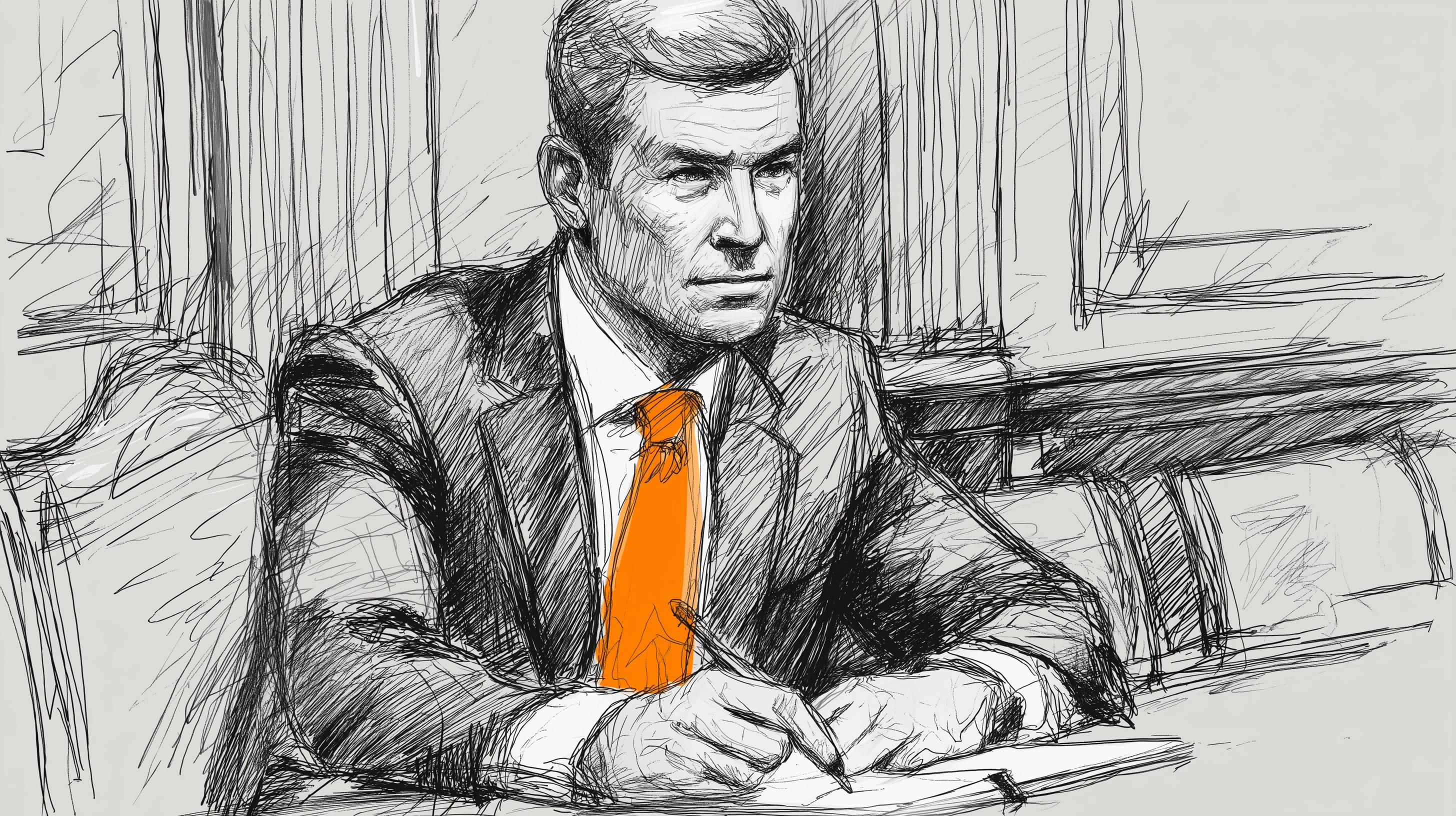
The arrangement was entirely informal. No press release. No disclosed compensation. No defined scope of work. News broke January 1, 2026, through league reporters citing anonymous sources, and the Dolphins never publicly confirmed the details. ESPN’s Adam Schefter reported that “Miami ownership wanted an outside respected perspective from someone who had strong relationships across the league.”
This isn’t executive search. It’s something closer to what happens when a surgeon asks for a second set of eyes. Aikman’s job was to tell Ross if he was asking the wrong questions, weighting the wrong signals, pattern-matching on things that sound convincing but don’t predict success.
Sullivan Is Traditional—but from a System That Earns the Label
Sullivan’s credentials are unambiguous. He spent his entire NFL career with Green Bay, beginning as a training camp intern in 2003 and working full-time from 2004 through 2025—rising to VP of Player Personnel through the Ron Wolf scouting tree that has produced multiple NFL GMs including John Schneider (Seahawks) and Brian Gutekunst. His philosophy is explicitly old-school: “The draft is your lifeblood. You build through the draft. It’s a young man’s game.”
According to Albert Breer at Sports Illustrated, Sullivan was the first Packers scout on Jordan Love at Utah State and became Love’s biggest advocate as the 2020 draft drew closer—a conviction call that rankled Aaron Rodgers and turned out to be exactly right.
What separates Green Bay’s “traditional scouting” from the generic version is systematic intensity. The Packers are known for their exhaustive evaluation process, with GM Brian Gutekunst calling film study “the most important” part of their evaluation. The organization managed the Rodgers-to-Love transition without a significant drop-off—Love led the team to the playoffs in his first full year as starter, improving on Rodgers’ 8-9 final season—though the franchise did endure a 6-10 record in 2008 when Rodgers first replaced Favre. Sullivan was present for all of it.
Ross didn’t hire innovation. He hired proven organizational DNA. Sullivan is “traditional but institutionally competent” rather than “traditional but failed” (Grier) or “analytically revolutionary” (what Cleveland and Minnesota have pursued).
The Road Not Taken
Before getting to Aikman, it’s worth sitting with what Ross could have done.
Josh Williams, the 49ers’ Director of Scouting and Football Operations, was the analytically-oriented finalist—a Columbia grad who played wide receiver for the Lions and worked as a business analyst at TD Ameritrade before entering football. He was a finalist for Jacksonville’s GM job in 2024, has deep relationships from San Francisco’s dynasty run, and would have been a genuine philosophy shift. His connection to Mike McDaniel—they overlapped in San Francisco—likely became a liability once Ross decided to move on from the coach.
Chad Alexander, the Chargers’ AGM, came from the Baltimore “20/20 Club”—a traditional scouting pedigree similar to Sullivan’s. He spent 20 years in Baltimore’s front office, roughly 10 of those overlapping with John Harbaugh’s tenure as head coach. Selecting Alexander might have signaled intent to pursue Harbaugh. Passing on him suggests Ross decided against that path.
Champ Kelly, the interim GM, brought a compelling personal story—rose from extreme poverty in rural Florida to IBM software engineer to NFL executive—but had served as interim GM twice before (Raiders 2023, Dolphins 2025) without landing the permanent role. He was a transition figure, not a long-term answer.
Ross chose continuity with proven organizational models over analytical disruption or coaching-search implications. That’s either wisdom or pattern repetition—and it’s too early to know which.
Aikman Wasn’t There to Rubber-Stamp Anything
The Aikman role is where the business parallel gets sharp. Unlike Tom Brady’s ownership stake in the Raiders—which creates permanent conflicts of interest and structural decision-making authority—Aikman was a temporary consultant. He participated in interviews, made background calls, and pushed for a specific candidate based on his own assessment.
The connection came through Jimmy Johnson. Armando Salguero reported that “the Dolphins discussed it with Jimmy Johnson, and he suggested they speak with Aikman”—Johnson coached Aikman to two Super Bowls in Dallas and later served as Miami’s head coach from 1996 to 1999.
Critics questioned whether the move undermined Dan Marino’s existing consultant role. Boomer Esiason on WFAN: “They’re hiring him as a consultant as opposed to Dan Marino, who is already there... if I’m Dan Marino, I’m like, ‘What are we doing?’” The implied message was clear: Aikman was brought in specifically to provide a perspective different from the existing inner circle.
One complication: Barry Jackson of the Miami Herald reported that Aikman was asked to continue advising through the coaching search as well—meaning the “temporary and done” framing needs an asterisk. His involvement outlasted the GM decision, though he still holds no ownership stake or permanent organizational role.

The Difference Between Hiring a Thinker and Hiring a Trophy
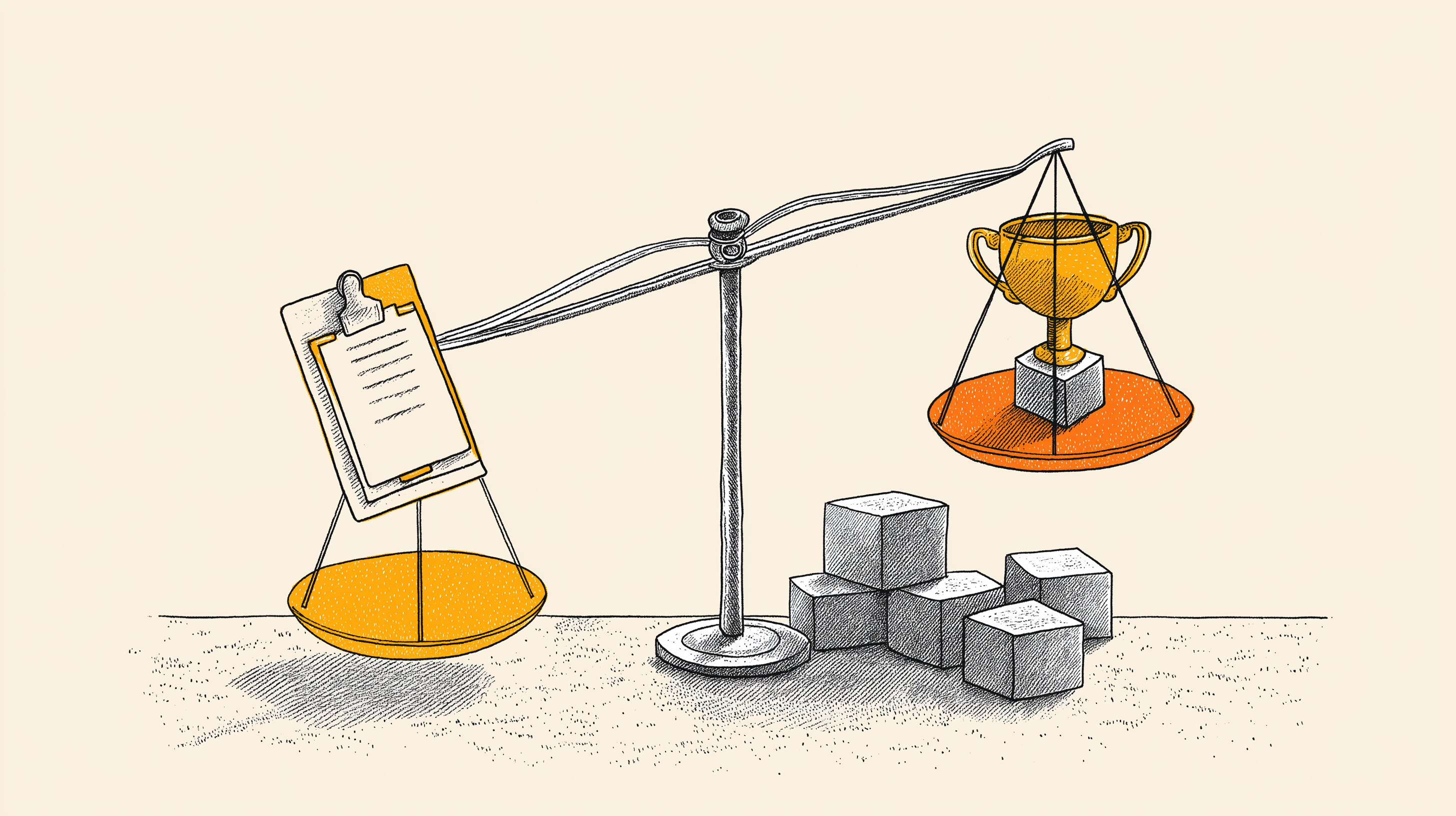
The Aikman arrangement maps onto a distinction that shows up constantly in corporate governance—the difference between process auditing and bringing in gravity.
“Bringing in gravity” is what happens when organizations hire famous advisors or board members hoping their reputation transfers to company credibility. This is usually governance theater. WeWork’s board included SoftBank’s famous investors and couldn’t prevent Adam Neumann’s excesses because the governance structures themselves prevented real challenge. After acquiring Twitter, Elon Musk dissolved the entire board and made himself the sole member—removing every structural check at once.
“Process auditing” looks different. The canonical example is Uber’s Holder Report in 2017: the board commissioned former U.S. Attorney General Eric Holder to conduct an independent review after workplace culture scandals. His team conducted over 200 interviews and reviewed more than 3 million documents. The report recommended reallocating CEO Travis Kalanick’s responsibilities, appointing a COO, installing an independent board chair, and fundamentally overhauling company culture. Kalanick resigned under investor pressure; Dara Khosrowshahi was hired to implement the transformation.
Research by Dan Lovallo and Olivier Sibony—published in McKinsey Quarterly—found that the quality of decision-making process matters more than the quality of analysis. Good process surfaces bad analysis. The reverse doesn’t hold: good analysis can’t save a broken process. Their work on “behavioral strategy” showed that structured debate and formal dissent mechanisms significantly improved outcomes on major strategic bets.
What Made It Work, and What’s Still Missing
Academic research on the “devil’s advocate” approach (Schwenk, 1984) identifies what separates genuine process auditing from expensive validation theater. The effective version requires formal role assignment rather than informal disagreement, genuine independence from the decision-maker, limited duration so the auditor can’t be captured, and actual authority to challenge assumptions rather than just offer opinions. When it fails, you see homogenous advisors deferring to the CEO’s existing preferences, famous names without functional authority to push back, and misaligned incentives where the advisor’s future depends on keeping the decision-maker happy.
Private equity firms have built the most systematic version of this. Executive search firms recommend hiring experienced industry veterans not to make hires but to reality-check them—using proven executives as advisors and sparring partners during transitions. PE boards that operate as what researchers call “cooperative skeptics”—asking probing questions while defending against errors—consistently outperform passive or rubber-stamp boards. M.G. Siegler at TechCrunch argued that every company needs a “Vice President of Devil’s Advocacy,” noting that Steve Jobs served this function at Apple—killing ideas and canceling launches when something felt wrong.
The Aikman model sits in a productive middle ground. It wasn’t a full Holder Report—Aikman didn’t conduct 200 interviews or review documents for months. But it also wasn’t Brady/Raiders-style gravity-seeking. He had no permanent stake, his role was initially defined as ending when the GM was selected, and he advocated for a specific candidate based on independent judgment rather than rubber-stamping a predetermined choice.
The structural elements that worked: temporary duration, no ownership stake, independent network access (Aikman could make his own background calls through 25 years of broadcaster relationships), an external perspective uncaptured by Dolphins groupthink, and specific advocacy for Sullivan rather than a generic blessing of the process.
What could have made it stronger: more formal structure, clearer evaluation criteria established upfront, explicit methodology for candidate assessment, and defined authority to challenge owner assumptions directly. The informality that made it feel organic also made it impossible to evaluate rigorously.
The Question Ross Probably Isn’t Asking
Here's the uncomfortable part. Sullivan looks almost identical to Chris Grier on paper—a longtime scout from a respected organization, promoted through traditional personnel ranks, hired to build through the draft. The difference is organizational pedigree (Green Bay's system has produced more successful GMs than Miami's) and structural authority (Sullivan has full control in a way Grier never did, given that Ross installed Mike Tannenbaum as EVP above his GM from 2015 to 2019).
Whether Sullivan succeeds depends on factors largely independent of how he was selected: cap management, draft luck, the coaching hire, player development. The Aikman intervention can’t control for any of that.
But for anyone watching the NFL as a laboratory for high-stakes decisions, the interesting question isn’t whether Aikman’s involvement produced the correct candidate. It’s whether bringing in a temporary outside perspective actually changed Ross’s thinking—or just made him feel better about the same instincts that produced a 25-year playoff win drought.
External auditing of major decisions works when the auditor has independence, limited duration, and genuine authority to challenge. It fails when it’s designed to validate choices already made. The Aikman arrangement had most of the right structural elements. What it didn’t have—and what no single intervention can provide—is a mechanism for Ross to recognize his own patterns. One good process doesn’t fix a decade of broken ones.
The right question isn’t “Did I hire the right GM?” It’s “Did I build a system that will tell me when I’m about to hire the wrong one—and will I listen when it does?”
Aikman’s involvement suggests Ross at least asked the first question. Whether he’s built the system to sustain it is a different matter entirely.
Have a take on the Aikman model, or a better example of process auditing in a corporate context? Reach out and let me know!