

Gus Bradley was the “obvious” choice for defensive coordinator. Kyle Shanahan said so himself on January 21st. Two weeks later, the 49ers hired someone else. Within days, Bradley had multiple NFL teams fighting over him.
This isn’t another coaching carousel story. It’s about how rejection signals work in talent markets. The person who doesn’t get promoted internally often becomes the hottest external candidate.
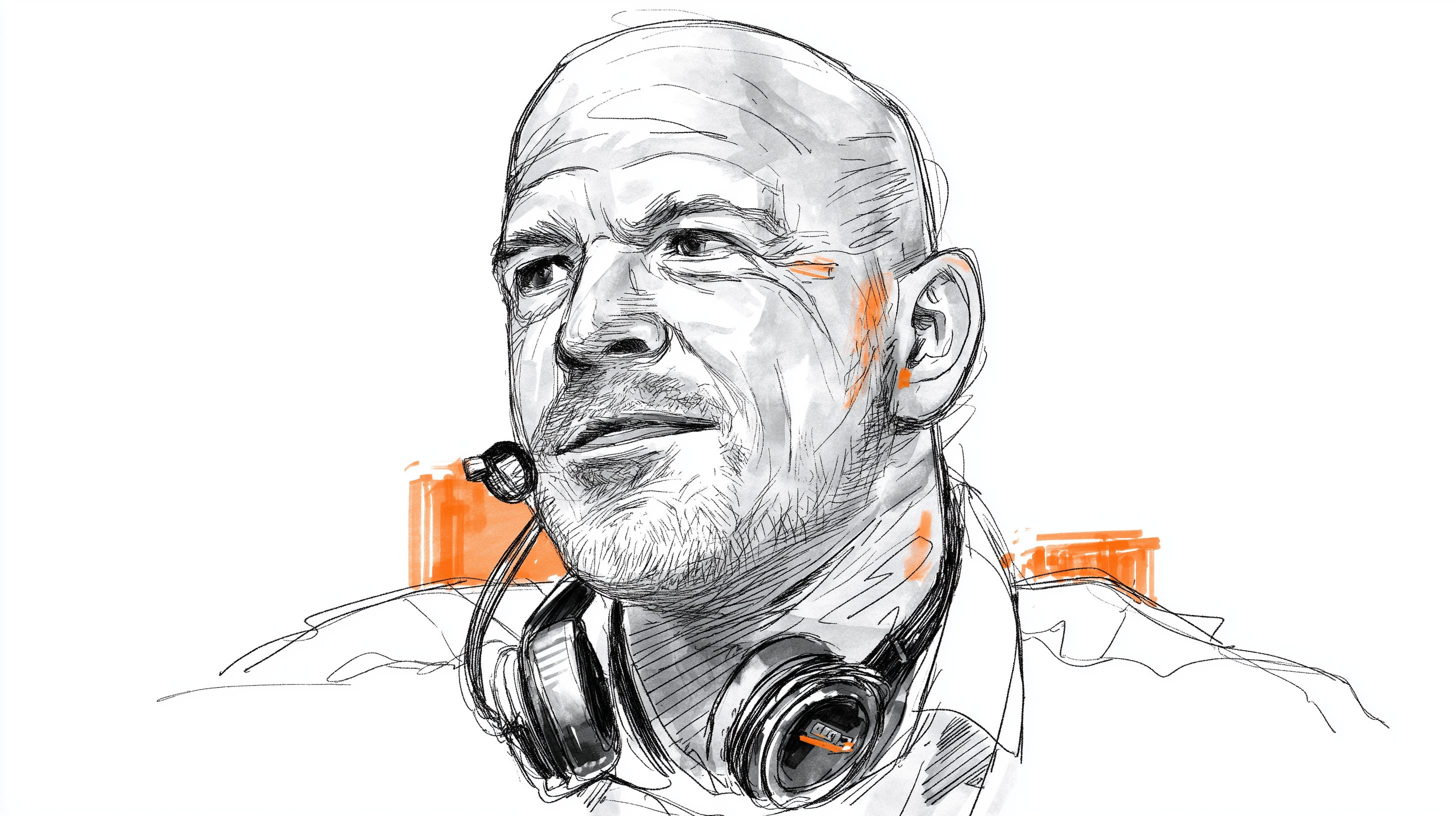
The Shanahan Pivot
When Robert Saleh left San Francisco for the Titans, everyone expected Bradley would slide into the coordinator role. Shanahan had hired him as assistant head coach for defense in 2024. He knew Saleh might leave quickly. At his end-of-season presser, Shanahan called Bradley “the obvious one to everyone and is to us, too.”
Then Raheem Morris didn’t get the Cardinals head coaching job.
The calculus changed instantly. Morris—recently available after Atlanta fired him following back-to-back 8-9 seasons—suddenly entered the market. The Cardinals had passed on him as a finalist, choosing Mike LaFleur instead. For Shanahan, who’d reportedly been trying to hire Morris since their days together in Tampa Bay, Washington, and Atlanta, this opened a door.
The 49ers pivoted. On February 1st, they announced Morris as defensive coordinator.
The Market Response
Within two weeks, both Tennessee and Arizona pursued Bradley aggressively. The Titans won, even though sources suggest the Cardinals offered him play-calling duties. Bradley chose less autonomy to reunite with his former colleague Saleh.
This pattern challenges conventional wisdom. Getting passed over publicly should damage your reputation. The market should discount you. Instead, Bradley’s value increased.
Damaged Goods or Undervalued Asset?
When examining organizational rejections, external observers face an interpretation problem. Is this person damaged goods? Or did they become available for non-performance reasons?
The 49ers inadvertently answered this through their public statements and timing. Shanahan calling Bradley “obvious” then hiring someone else sent a clear signal. This wasn’t about Bradley’s inadequacy—it reflected Shanahan’s specific preference.
External teams read this correctly. They saw a coordinator-quality coach available through organizational preference, not performance issues. It mirrors when companies pass over their CFO for CEO. Not because the CFO lacks capability—but because they found their ideal candidate. That CFO immediately attracts executive search firms.

Relationships Over Market Mechanics
Personal relationships shape these decisions. Shanahan’s connection to Morris went back years—they’d worked together at three separate stops. Bradley choosing Tennessee over Arizona despite less responsibility? He’d worked with Saleh before. These reflect relationship dynamics more than pure market mechanics.
The NFL coaching market runs on personal networks. This pattern appears in tech, finance, and consulting. The “known quantity” hiring principle crosses industries.
The 49ers didn’t undervalue Bradley. They valued both him and Morris accurately. But Shanahan weighted his long-standing pursuit of Morris differently. The external market identified competent talent available for non-performance reasons.
Timing and Optionality
This reveals something about timing and optionality. Every internal promotion risks losing unchosen candidates. Every external hire signals that internal development has limits. Smart organizations anticipate this and create retention mechanisms.
When examining Bradley’s situation, I found no evidence suggesting hidden flaws. Every indication points to pure preference. Shanahan got his target when availability aligned.
The Cardinals reportedly offering Bradley play-calling duties reveals another layer. They weren’t just hiring the 49ers’ second choice. They offered what San Francisco couldn’t—actual coordinator autonomy.
Beyond Football: The Pattern in Tech
This pattern extends beyond football. Consider Microsoft’s 2023 reorganization. Panos Panay built Surface into a billion-dollar business. When Microsoft pulled back on experimental devices, he left. Within weeks, Amazon hired him to lead their entire Devices & Services business—overseeing Alexa, Echo, Kindle, Fire TV, Ring, and more. Not damaged goods—undervalued internally, recognized externally.
Disney showed similar dynamics in 2020. Bob Chapek was named CEO, passing over streaming chief Kevin Mayer—the dealmaker behind acquisitions of Pixar, Lucasfilm, Marvel, and BAMTech. Mayer was thought to be the frontrunner. Instead of accepting diminished status, he immediately became CEO of TikTok. Internal candidates passed over for top jobs often land better external opportunities. The market interprets their availability differently than their rejection.

The Availability Cascade
This represents what I call the “availability cascade.” When high-quality talent becomes available for non-performance reasons, competition intensifies. External firms recognize the arbitrage opportunity. They’re acquiring undervalued assets, not damaged goods.
The next time someone gets passed over for their expected promotion, watch carefully. Focus less on what it says about them. Focus more on what opportunity it creates.
Sometimes rejection opens better doors. Ask Gus Bradley. Or ask the teams that competed for him two weeks later.